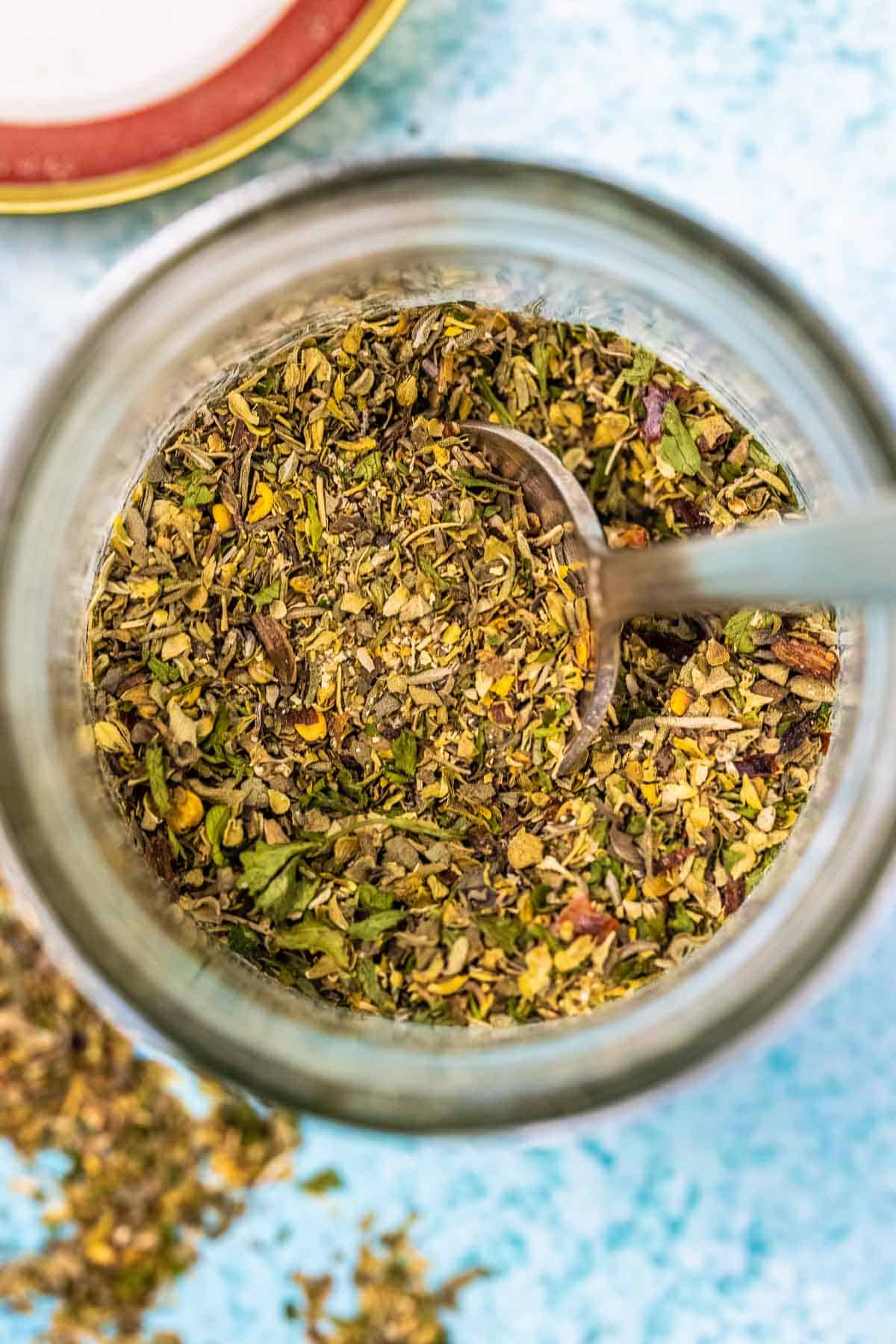
Homemade Italian Seasoning: Your Go-To for Flavorful Meals
Imagine the vibrant aromas of a bustling Italian kitchen filling your home – sun-dried tomatoes, robust garlic, and a symphony of fragrant herbs. Achieving this authentic taste doesn't require a trip to Italy or even a gourmet market. In fact, one of the most powerful tools in your culinary arsenal can be whipped up right in your own kitchen: homemade Italian seasoning. This incredibly versatile spice blend is a game-changer, transforming everyday ingredients into dishes bursting with Mediterranean charm and flavor.
While store-bought Italian seasoning offers convenience, nothing compares to the freshness, purity, and customizability of a blend you create yourself. Commercial mixes can sometimes sit on shelves for extended periods, losing their potency, and may even contain anti-caking agents or excessive salt. By taking just a few minutes to mix your own, you unlock a world where fresh, aromatic herbs are always at your fingertips, ready to elevate any meal from ordinary to extraordinary.
The Heart of Italian Flavor: Crafting Your Classic Blend
At its core, homemade Italian seasoning is a celebration of dried green herbs, each contributing its unique character to a harmonious whole. The beauty of this blend lies in its simplicity and the powerful flavor punch it delivers. The essential quartet that forms the backbone of almost any Italian seasoning includes:
- Dried Oregano: The quintessential "pizza spice," offering a pungent, slightly bitter, and earthy aroma. It's truly indispensable for that classic Italian-American taste.
- Dried Basil: Sweet, peppery, and highly aromatic, basil brings a hint of anise and mint, complementing tomatoes and cheeses beautifully.
- Dried Rosemary: With its pine-like, woody, and slightly lemony notes, rosemary adds a sophisticated depth, especially to roasted meats and vegetables.
- Dried Thyme: Earthy, floral, and subtly minty, thyme acts as a fantastic bridge between the other strong flavors, providing balance and warmth.
Beyond these foundational herbs, many traditional Italian blends, and certainly the best homemade versions, incorporate additional components to deepen the flavor profile. Marjoram, a close cousin to oregano but milder and sweeter, adds a delicate floral touch. Sage, with its earthy, slightly peppery, and pine-like notes, contributes a beautiful depth, particularly welcome in richer sauces or with poultry. For the most vibrant results, always start with high-quality, fragrant dried herbs – you'll notice the difference immediately.
Unleash Your Inner Chef: Customizing Your Italian Seasoning
One of the most compelling reasons to create your own homemade Italian seasoning is the absolute freedom to tailor it to your exact preferences. This ability to customize ensures every dish you make reflects your personal taste and culinary vision. Forget generic, one-size-fits-all blends – with DIY, you're the master blender!
Here are some popular and delicious ways to personalize your Italian seasoning:
- Amp Up the Heat: For those who love a bit of a kick, adding red pepper flakes is a simple yet effective customization. Start with a teaspoon for a subtle warmth and increase up to a tablespoon (or even more!) for a bolder, spicier blend perfect for pasta arrabbiata or spicy pizzas.
- Garlic Power: While many traditional Italian seasoning blends stick to just herbs, garlic powder is a fantastic addition for a more savory, aromatic profile. It distributes evenly throughout the mix, ensuring every sprinkle delivers that beloved garlicky essence without the need for fresh garlic. Aim for 1-2 tablespoons per half cup of herb blend. Just remember to give the mix a good shake before each use, as the fine granules of garlic powder can settle.
- Onion's Subtle Sweetness: For a slightly sweeter, more rounded savory note, consider incorporating a teaspoon or two of onion powder. It complements the garlic beautifully and adds an extra layer of complexity.
- A Touch of Salt: Many purists prefer to keep their seasoning blends salt-free, allowing them to control the salt content directly in the dish. However, if you're making a blend specifically for something like a dry rub or a table seasoning, a fine-grain sea salt can be a welcome addition.
- Exploring Other Herbs: Don't be afraid to experiment! If you're out of marjoram, simply use a bit more oregano. A pinch of fennel seeds can lend a subtle anise flavor, particularly good with pork or sausages. Even a tiny dash of dried dill can provide an unexpected brightness. The beauty of DIY is there are no strict rules – just delicious exploration! For more ideas on how to adjust your blend, check out our guide on Easy DIY Italian Seasoning: Customize Fresh Flavors at Home.
Beyond the Basics: Creative Ways to Use Your Blend
Once you have your perfected batch of homemade Italian seasoning, the culinary possibilities are endless. Its balanced, aromatic profile makes it incredibly versatile, suitable for nearly any meal. Here's a deeper dive into how you can make this blend your everyday kitchen hero:
- Marinades & Dressings: Combine with extra virgin olive oil, red wine vinegar or balsamic, and a squeeze of lemon juice for a vibrant marinade for chicken, fish, or pork. It's also the secret ingredient for an unforgettable homemade Italian dressing for salads.
- Roasted Vegetables: Toss your favorite veggies (zucchini, bell peppers, broccoli, potatoes) with olive oil and a generous sprinkle of your seasoning before roasting. The herbs infuse them with incredible flavor as they caramelize.
- Pasta Sauces & Pizza: This is where it truly shines! Stir it into simmering marinara, bolognaise, or creamy Alfredo sauces. Sprinkle it directly onto homemade or store-bought pizza before baking for an instant flavor boost.
- Soups & Stews: From hearty minestrone to simple chicken noodle soup, a teaspoon or two of Italian seasoning adds depth and a comforting herbal essence.
- Bread & Dips: Mix it with olive oil for a delicious bread dip. Sprinkle it over garlic bread or focaccia before baking. You can also blend it into softened butter for a savory compound butter that’s fantastic on steak or roasted potatoes.
- Eggs & Cheeses: Elevate scrambled eggs, omelets, or frittatas with a dash. Mix it into ricotta cheese for a flavorful lasagna filling or a spread for crostini. It's also wonderful stirred into cream cheese for a savory bagel spread.
- Meat Seasoning: Use it as a dry rub for grilling steaks, chops, or chicken. It's also perfect for seasoning meatballs, meatloaf, or even homemade sausages.
- Sandwiches & Wraps: Sprinkle a pinch into your next Italian sub or wrap for an extra layer of authentic flavor.
The key is to remember that this blend is designed to enhance, not overpower. Start with a teaspoon or so for most dishes and adjust to your taste. Its herbaceous nature pairs particularly well with acidic elements like tomatoes, balsamic vinegar, and lemon, as well as mild cheeses.
Storage and Shelf Life: Keeping Your Flavors Vibrant
To ensure your homemade Italian seasoning retains its peak potency and aromatic qualities, proper storage is paramount. While dried herbs have a relatively long shelf life, their volatile oils, which are responsible for their flavor and aroma, do diminish over time.
Here’s how to maximize the life of your blend:
- Airtight Container: Always store your seasoning in an airtight container, such as a glass spice jar with a tight-fitting lid. This prevents moisture and air from degrading the herbs.
- Cool, Dry, Dark Place: The pantry or a kitchen cabinet away from direct sunlight and heat sources (like the stove or oven) is ideal. Heat, light, and humidity are the enemies of dried spices, causing them to lose their flavor more quickly.
- Label and Date: Always label your container with the date you prepared the blend. This simple practice helps you keep track of its freshness.
- Optimal Freshness: For the most vibrant flavor and aroma, aim to use your homemade Italian seasoning within six months. While it won't "go bad" in the sense of spoiling after this period, you'll notice a gradual fading of its potency. If it no longer smells fragrant when you open the jar, it's likely time to whip up a fresh batch. You can learn more about keeping your blend fresh in our article: Best Homemade Italian Seasoning Recipe: Fresh for 6 Months.
Embracing the simplicity and power of homemade Italian seasoning is more than just a culinary hack; it's a step towards more flavorful, healthier, and personalized cooking. It empowers you to control ingredients, experiment with flavors, and always have a burst of Mediterranean zest ready for any dish. Say goodbye to dull meals and hello to a world of aromatic possibilities – all from a blend created with care in your own kitchen.
