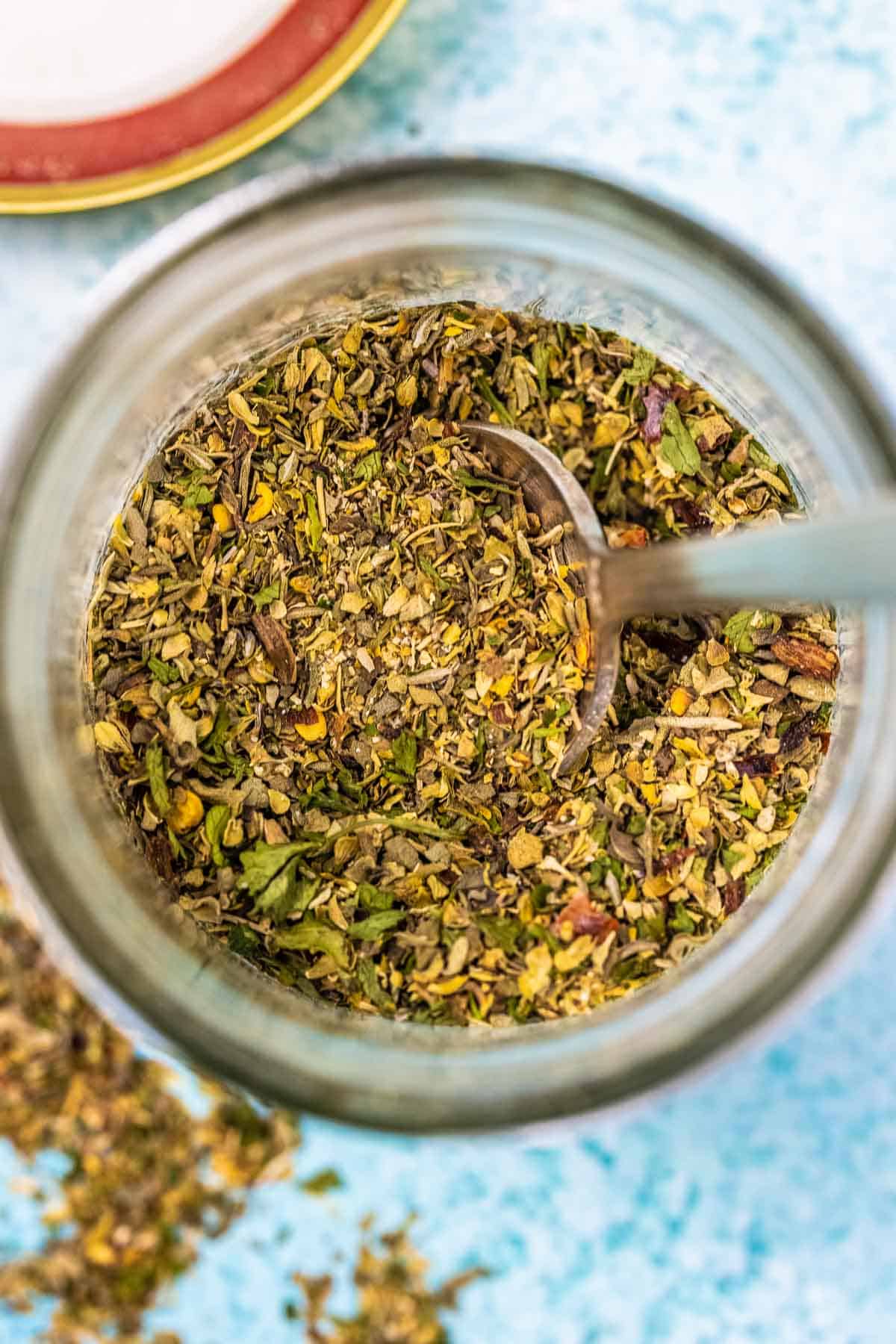
Tired of reaching for store-bought spice blends that lack a certain vibrancy? Imagine a culinary secret weapon, always at your fingertips, ready to transform everyday dishes into aromatic masterpieces. That's precisely what you get with the homemade Italian seasoning you can whip up in minutes. Far superior to its commercial counterparts, a freshly made blend promises a burst of flavor that will elevate everything from humble roasted vegetables to hearty pasta sauces. And the best part? With proper storage, this aromatic powerhouse stays fresh and potent for up to six months, ensuring a steady supply of authentic Italian taste in your kitchen.
Why Make Your Own Homemade Italian Seasoning?
In a world brimming with convenience, you might wonder why take the extra step to craft your own spice mix. The answer lies in freshness, customization, and ultimately, unparalleled flavor. Store-bought Italian seasonings, while convenient, often sit on shelves for extended periods, allowing their delicate volatile oils to dissipate. This results in a muted, less impactful flavor profile compared to a blend you've just mixed yourself.
- Unmatched Freshness and Potency: When you create your own easy DIY Italian seasoning, you control the age of the individual spices. Using freshly purchased, high-quality dried herbs ensures maximum aroma and flavor impact, making every dish more vibrant and memorable.
- Complete Control Over Ingredients: Ever noticed unknown "anti-caking agents" or excessive salt in commercial blends? Making your own allows you to omit fillers, preservatives, and unnecessary sodium. This is particularly beneficial for those managing their salt intake or preferring to season with salt separately, allowing the herbal notes to truly shine.
- Cost-Effectiveness: While an initial investment in individual dried herbs might seem higher, in the long run, purchasing spices in bulk and mixing your own blends proves significantly more economical than continuously buying pre-made jars. You'll have a versatile arsenal of herbs ready for any culinary adventure.
- The Joy of Customization: This is perhaps the greatest advantage. Your kitchen, your rules! Whether you prefer a more herbaceous blend, a touch of heat, or a garlicky kick, making it yourself means tailoring the blend to your exact palate and specific dish requirements.
The Essential Ingredients for Your Homemade Italian Seasoning Blend
At its heart, Italian seasoning is a beautiful symphony of dried green herbs, each contributing its unique note to the overall harmony. While variations exist, certain herbs form the indispensable core of any authentic blend.
- Dried Oregano: The quintessential Italian herb, oregano brings an earthy, pungent, and slightly bitter note that is instantly recognizable. It's non-negotiable for that classic Italian-American flavor.
- Dried Basil: Sweet, peppery, and slightly minty, dried basil provides a bright and aromatic lift, perfectly complementing oregano and adding depth to tomato-based dishes.
- Dried Rosemary: With its piney, woody, and slightly lemony essence, rosemary adds a robust and sophisticated layer. It pairs exceptionally well with meats and roasted vegetables.
- Dried Thyme: Earthy, floral, and slightly minty, thyme contributes a subtle yet complex flavor that rounds out the blend without overpowering.
Beyond these foundational four, many exceptional homemade Italian seasoning recipes incorporate additional herbs to enhance complexity and introduce new dimensions of flavor:
- Dried Marjoram: Often described as a sweeter, milder cousin to oregano, marjoram adds a delicate, slightly floral, and subtly woody note. It softens the more assertive flavors of oregano.
- Dried Sage: Earthy, piney, and slightly peppery, sage introduces a warm, almost savory depth. While optional, it's a fantastic addition, especially if you plan to use your seasoning with poultry or root vegetables.
Customizing Your Blend: Making it Truly Yours
Once you have the core herbs, the real fun begins: personalization! This is where your homemade Italian seasoning truly becomes unique to your kitchen. The beauty of DIY means you're never beholden to a pre-set formula.
- For a Spicy Kick: Red Pepper Flakes. If you enjoy a bit of warmth, consider adding up to a tablespoon of red pepper flakes to your blend. This is fantastic for spicier marinara sauces, robust meat dishes, or a fiery bread dip.
- For an All-in-One Garlic Boost: Garlic Powder. Many store-bought blends include garlic powder for convenience. You can easily incorporate 1-2 tablespoons into your homemade version. Just remember to mix it thoroughly before each use, as the denser granules can settle at the bottom of your jar. This makes your seasoning a true "one-stop shop" for flavor.
- The Salt Question: While some commercial blends include salt, it's generally advisable to omit it from your homemade Italian seasoning. This allows you to control the salt level independently in each dish you cook, preventing over-salting and offering more flexibility.
- Adjusting Herb Ratios: Feel free to experiment. If you love the bold flavor of rosemary, increase its proportion. If marjoram isn't to your taste, you can omit it or substitute with a bit more oregano. Sage, while excellent, is completely optional and can be left out if you prefer a brighter, less earthy profile.
- Beyond the Basics: Some adventurous cooks might even add a pinch of dried onion flakes, a touch of ground fennel for a subtle anise note (especially good with pork), or a hint of dried lemon peel for extra brightness. The possibilities are endless!
To ensure the best flavor, always make sure your individual dried herbs are fresh. A good rule of thumb is to replace dried herbs and spices every 6-12 months, or whenever their aroma significantly diminishes.
How to Use Your Versatile Homemade Italian Seasoning
The true brilliance of homemade Italian seasoning lies in its incredible versatility. Once you have a batch ready, you'll find yourself reaching for it constantly, effortlessly infusing dishes with rich, aromatic flavor.
- Meats of All Kinds: Sprinkle generously on chicken, beef, pork, or lamb before roasting, grilling, or sautéing. It's fantastic as a dry rub or mixed into a marinade with olive oil and vinegar.
- Roasted, Grilled, or Sautéed Vegetables: Toss vegetables like zucchini, bell peppers, onions, potatoes, or broccoli with olive oil and Italian seasoning before roasting or grilling for an instant flavor upgrade.
- Pasta Sauces and Soups: It's a must-have for any red sauce, lasagna, minestrone, or other Italian-inspired soups and stews. Add it early in the cooking process to allow the flavors to meld.
- Dips and Dressings: Whisk it into olive oil and balsamic vinegar for a quick vinaigrette. Or, mix it into olive oil with a pinch of salt for a simple yet addictive bread dipping oil. It's also excellent stirred into creamy dips or spreads.
- Breads and Pizza: Sprinkle it on focaccia dough before baking, or mix it into the dough for homemade breadsticks. It's a natural fit for pizza, adding an extra layer of herby goodness.
- Sandwiches and Wraps: Elevate your next Italian sub or cold-cut sandwich with a generous dash. It pairs beautifully with mild cheeses like ricotta and mozzarella.
Pro Tip: When adding your seasoning, start with 1-2 teaspoons for most dishes and adjust to taste. Remember, you can always add more, but you can't take it away! For best results in cooked dishes, add the seasoning early in the cooking process (e.g., when sautéing onions or browning meat) to allow the flavors to bloom in the heat.
Storing Your Homemade Italian Seasoning for Maximum Freshness (Up to 6 Months!)
To ensure your homemade Italian seasoning remains as potent and flavorful as the day you mixed it, proper storage is key. Following these simple guidelines will keep your blend fresh for up to six months, maintaining its aromatic power.
- Airtight Containers are Essential: The primary enemy of dried herbs and spices is air. Exposure to oxygen causes the volatile oils responsible for their flavor and aroma to degrade and evaporate. Store your blend in a tightly sealed, airtight container, such as a glass jar with a screw-top lid or a spice jar with a secure shaker top.
- Cool, Dry, and Dark Place: Heat, moisture, and light are equally detrimental to spice potency. Store your container in a cool, dry place away from direct sunlight and heat sources like your stove or oven. A pantry or a cabinet away from appliances is ideal. Avoid storing spices above the stove, even if convenient, as the fluctuating heat and steam will drastically shorten their shelf life.
- Label and Date: Always label your container with the name of the blend and the date you prepared it. This simple habit will help you keep track of its freshness and ensure you're always using the most potent spices.
While your homemade Italian seasoning will generally maintain optimal flavor for about six months, it doesn't mean it will "go bad" and become unsafe to eat after this period. However, its vibrant aroma and taste will gradually fade over time. You might find yourself needing to use more to achieve the same flavor impact after the six-month mark. When in doubt, trust your nose: if the blend no longer smells fragrant and potent, it's time to whip up a fresh batch.
Embracing the art of crafting your own homemade Italian seasoning is a simple yet profoundly rewarding step in your culinary journey. It's an investment in flavor, freshness, and personal taste that will pay dividends in every dish you prepare. Say goodbye to dull, generic blends and welcome a world where your spices are vibrant, customized, and always ready to transform a meal. So, gather your favorite herbs, mix up a batch, and prepare to elevate your cooking to an entirely new, delicious level!
