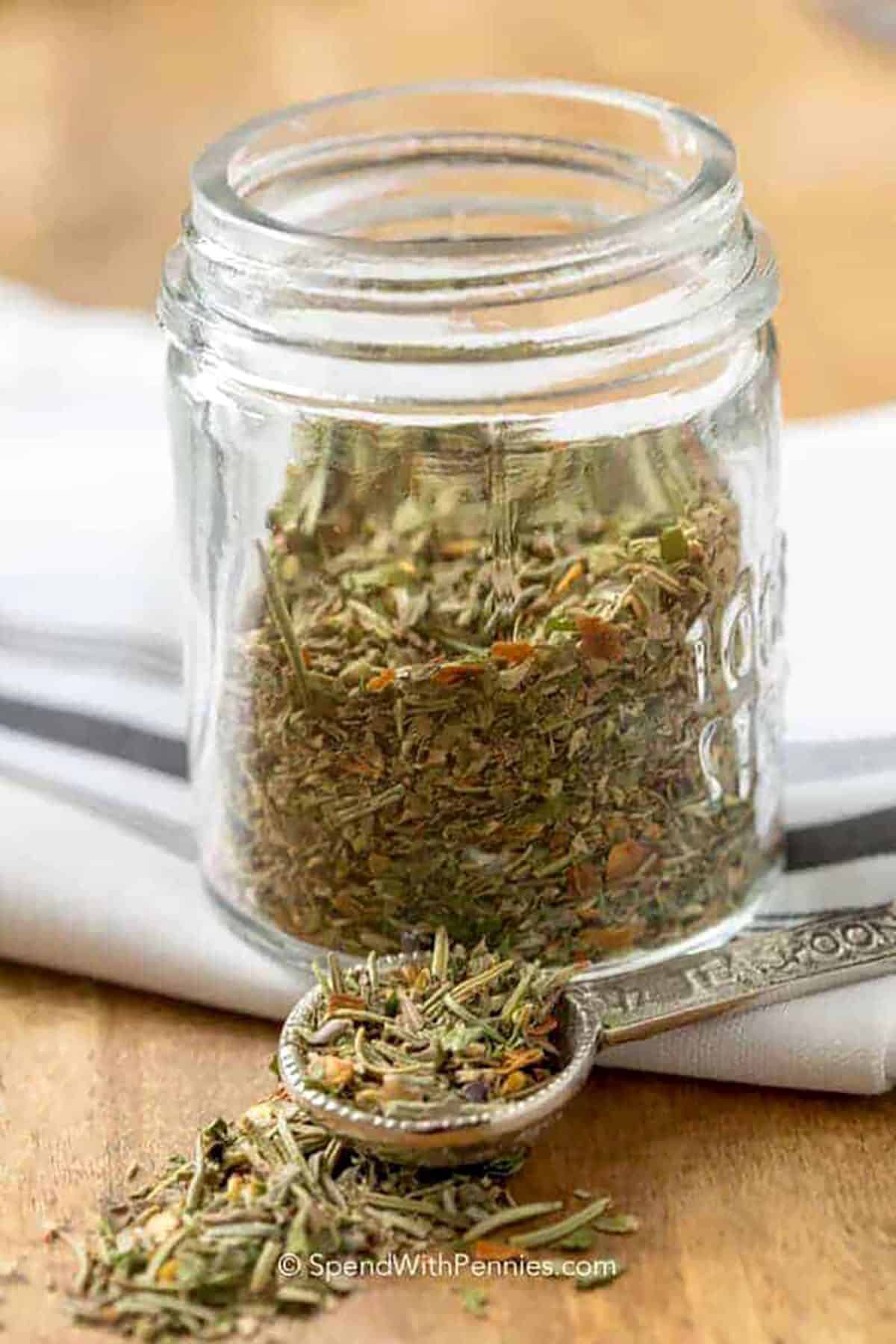
Easy DIY Italian Seasoning: Customize Fresh Flavors at Home
Imagine a kitchen where every dish, from a simple weeknight pasta to an elaborate Sunday roast, is infused with vibrant, authentic flavor. What if the secret ingredient was something you created yourself, perfectly tailored to your palate? Enter homemade Italian seasoning – a culinary game-changer that promises to elevate your cooking with minimal effort and maximum impact.
While store-bought spice blends offer convenience, crafting your own Italian seasoning at home unlocks a world of freshness, customization, and pure aromatic bliss. It’s not just about mixing herbs; it’s about taking control of your ingredients, ensuring peak potency, and designing a blend that speaks directly to your taste preferences. Forget generic flavors; with your own hands, you can create a blend that's as unique as your cooking style.
Why Choose Homemade Italian Seasoning? Unlocking Freshness and Flavor
The decision to make your own spice blends might seem like an extra step, but the benefits, particularly with something as versatile as Italian seasoning, are profound. It’s an investment in flavor that pays dividends in every meal.
The Freshness Factor: A Difference You Can Taste
One of the most compelling reasons to opt for homemade Italian seasoning is the unparalleled freshness. Dried herbs, like all pantry staples, lose their potency over time. Store-bought blends often sit on shelves for extended periods, and you have no way of knowing when the herbs were originally dried or mixed. When you buy individual, high-quality dried herbs and combine them yourself, you're starting with ingredients at their peak fragrance and flavor.
- Potency: Fresher herbs mean a more concentrated flavor, so you'll often need less seasoning to achieve a rich taste.
- Aroma: The delightful aroma of fresh herbs is integral to their flavor profile. Homemade blends retain this captivating scent far better than their pre-packaged counterparts.
- Quality Control: You choose the brands and quality of individual herbs, ensuring you're using the best ingredients possible.
Tailor-Made to Your Taste Buds: Customization at Your Fingertips
This is where homemade truly shines. Have you ever wished your Italian seasoning had more garlic? Less rosemary? A touch of heat? When you make it yourself, you become the master blender. This adaptability is invaluable, allowing you to create a blend that perfectly complements your cooking and dietary needs.
- Spice Level: Easily add a kick with red pepper flakes, adjusting the quantity to suit your preference from a mild warmth to a fiery zest.
- Garlic & Onion: Incorporate garlic powder or onion powder for an allium boost without the moisture of fresh ingredients. This is especially useful for rubs and dry applications.
- Herb Ratios: Prefer a stronger basil note or a more subtle thyme? Adjust the proportions of oregano, basil, rosemary, and thyme to create your ideal balance.
- Dietary Needs: Control sodium content by omitting salt entirely, a common practice in homemade blends, allowing you to season your dishes with salt separately. This is a huge advantage for those monitoring sodium intake.
Economic & Sustainable Benefits
Beyond flavor, making your own seasoning can be kinder to your wallet and the planet. Buying individual herbs in bulk is often more cost-effective than repeatedly purchasing small jars of pre-mixed blends. Furthermore, it reduces the amount of single-use packaging, contributing to a more sustainable kitchen practice. You can reuse your own jars, cutting down on waste.
The Core Ingredients: What Goes into Authentic Italian Seasoning?
At its heart, homemade Italian seasoning is a harmonious blend of dried green herbs, each contributing its unique character to the overall symphony of flavor. While specific recipes can vary, certain herbs form the backbone of this beloved mix.
The Essential Herb Quartet: Foundation of Flavor
Almost all authentic Italian seasoning blends feature these four powerhouse herbs, creating a robust and instantly recognizable profile:
- Dried Oregano: Often considered the cornerstone, oregano provides an earthy, slightly bitter, and pungent flavor that is quintessential to Italian cuisine.
- Dried Basil: Sweet, peppery, and highly aromatic, basil adds a bright, slightly anise-like note that beautifully balances the stronger herbs.
- Dried Rosemary: With its piney, slightly citrusy, and potent aroma, rosemary lends a distinctive, woodsy undertone that pairs exceptionally well with meats and roasted vegetables.
- Dried Thyme: Earthy, minty, and subtle, thyme offers a delicate complexity that ties the other flavors together without overpowering them.
Beyond the Basics: Elevating Your Blend
While the core four are non-negotiable for a classic blend, many recipes, including some of the most celebrated, incorporate additional herbs and spices to add depth and nuance. These optional additions allow for even greater customization and flavor exploration.
- Dried Marjoram: Often described as a milder, sweeter version of oregano, marjoram adds a delicate floral and woodsy note. It's excellent for softening the overall flavor profile.
- Dried Sage: Earthy, warm, and slightly peppery, sage brings a savory depth that can be particularly appealing, especially in heartier dishes. While optional, it imparts a beautiful, rustic essence.
- Garlic Powder: A common addition in store-bought blends, garlic powder provides a foundational savory flavor. When adding, remember that granules can settle, so a good shake or stir before each use is key.
- Red Pepper Flakes: For those who appreciate a touch of heat, a dash of red pepper flakes can transform your blend, adding a subtle warmth that enhances other flavors without overwhelming them.
- Black Pepper: Freshly cracked black pepper, or even pre-ground black pepper, can enhance the pungency and overall aromatic profile.
For a detailed guide on proportions and a tried-and-true recipe, explore resources like Best Homemade Italian Seasoning Recipe: Fresh for 6 Months, which can help you get started on your blending journey.
Mastering Your Mix: Customization Ideas for Every Palate
The beauty of homemade Italian seasoning lies in its flexibility. Once you have the core herbs, you can truly make it your own. Think of your spice jar as a canvas, and these suggestions as your palette.
Heat Seekers: Adding a Spicy Kick
If you love a little zing in your food, red pepper flakes are your best friend. Start conservatively, perhaps with a teaspoon for a whole batch, and then adjust to taste. Adding up to a tablespoon for a standard mix can deliver a noticeable but not overwhelming heat. This ensures that the warmth is evenly distributed throughout your dish, rather than creating pockets of intense spice.
Garlic Lovers: Infusing Extra Aroma
For those who believe garlic makes everything better, incorporating garlic powder into your blend is a must. A good starting point is 1-2 tablespoons per batch. Remember that garlic powder is fine-grained and can settle at the bottom of your container. A thorough mix before using, and perhaps a quick stir with a spoon, will ensure you get that garlicky goodness in every sprinkle.
Pro Tip: While garlic powder offers convenience and blends seamlessly into a dry mix, it behaves differently than fresh minced garlic in cooking. Consider using both: the powder in your seasoning for general application, and fresh garlic for specific dishes where its raw punch or caramelized sweetness is desired.
Herb Variations & Substitutions
Your blend doesn't have to be rigid. Feel free to adjust the ratios of the core herbs based on your personal preference. For example, if you adore basil, increase its proportion. If rosemary is too strong for your liking, slightly reduce it. If you don't have marjoram or sage on hand, you can omit them or simply add more of the foundational herbs like oregano or basil to compensate. Sage, while optional, adds a wonderful earthy depth, so consider trying it if you can!
Salt Considerations: The Control Factor
Most master chefs recommend omitting salt from your homemade Italian seasoning. Why? Because salt levels vary wildly in recipes and individual dishes. By leaving it out of the blend, you retain full control over the sodium content of your food, allowing you to season to taste at the point of cooking. This is particularly important for marinades, where excessive salt can draw moisture out of meats, or for sauces where flavors need to develop gradually.
How to Use Your Versatile Homemade Italian Seasoning
Once you've crafted your perfect blend, the possibilities are endless. This versatile mix truly is a one-stop shop for adding delicious flavor to nearly anything you're cooking.
Culinary Applications Galore
Your homemade Italian seasoning is adept at transforming a multitude of dishes:
- Meats: Sprinkle generously on chicken, beef, pork, or fish before roasting, grilling, or sautéing. It makes an incredible dry rub or can be whisked into marinades.
- Vegetables: Toss with roasted potatoes, bell peppers, zucchini, or asparagus for an aromatic side dish. It also shines on grilled or sautéed greens.
- Sauces & Soups: Stir into your favorite red sauces, creamy pasta dishes, hearty stews, or simmering broths for an instant flavor boost.
- Dressings & Dips: Whisk into a vinegar-based dressing (like a red wine vinaigrette) or mix with olive oil for a simple yet incredibly tasty bread dip.
- Breads & Pizzas: Sprinkle over pizza before baking, add to focaccia dough, or mix into garlic bread spread.
- Cheeses: A pinch can elevate mild cheeses like ricotta or mozzarella, perfect for lasagna fillings or fresh mozzarella salads.
- Sandwiches: Give your next Italian sub a gourmet touch with a dash of this seasoning.
Pairing Perfection
This seasoning naturally complements a variety of other ingredients. Think classic Italian pairings: red wine vinegar, balsamic vinegar, fresh lemon juice, and, of course, a good quality olive oil. It also harmonizes beautifully with mild, creamy cheeses and a hint of fresh black pepper. For even more inspiration on how to integrate this seasoning into your daily meals, take a look at Homemade Italian Seasoning: Your Go-To for Flavorful Meals.
Storage Tips for Lasting Freshness
To ensure your homemade Italian seasoning remains as potent and flavorful as the day you mixed it, proper storage is crucial.
- Airtight Container: Always store your seasoning in an airtight container. Glass jars with tight-fitting lids (like small Mason jars or dedicated spice jars) are ideal as they prevent air and moisture from degrading the herbs.
- Cool, Dry, Dark Place: Keep your seasoning away from heat, light, and moisture. This means avoiding shelves above the stove, sunny windowsills, or humid cupboards. A pantry or a dark spice drawer is the best environment.
- Shelf Life: With proper storage, your homemade Italian seasoning will retain its peak flavor for up to six months. While it will still be safe to use after this period, its potency and aroma will gradually diminish. For optimal results, aim to use it within this timeframe.
- Labeling: A simple but effective tip is to label your jar with the date you created the blend. This makes it easy to track its freshness and know when it might be time to whip up a new batch.
Conclusion
Crafting your own homemade Italian seasoning is more than just a recipe; it's an invitation to a more flavorful and personalized cooking experience. From the enhanced freshness and potent aromas to the endless customization possibilities, making your own blend offers benefits that far outweigh the minimal effort involved. It's a simple act that empowers you to control the quality and taste of your food, transforming everyday meals into extraordinary culinary adventures. So, gather your herbs, mix your magic, and get ready to elevate your kitchen game with a seasoning blend that truly reflects your unique style and passion for flavor.
